

Lingering in the Courtyard: Language, Space, and Social Networks in Guilin, China
An archive of forced collisions, performative belonging, and the linguistic keys to Guilin, China

[Photo by: Leon Frye (ME :) ]
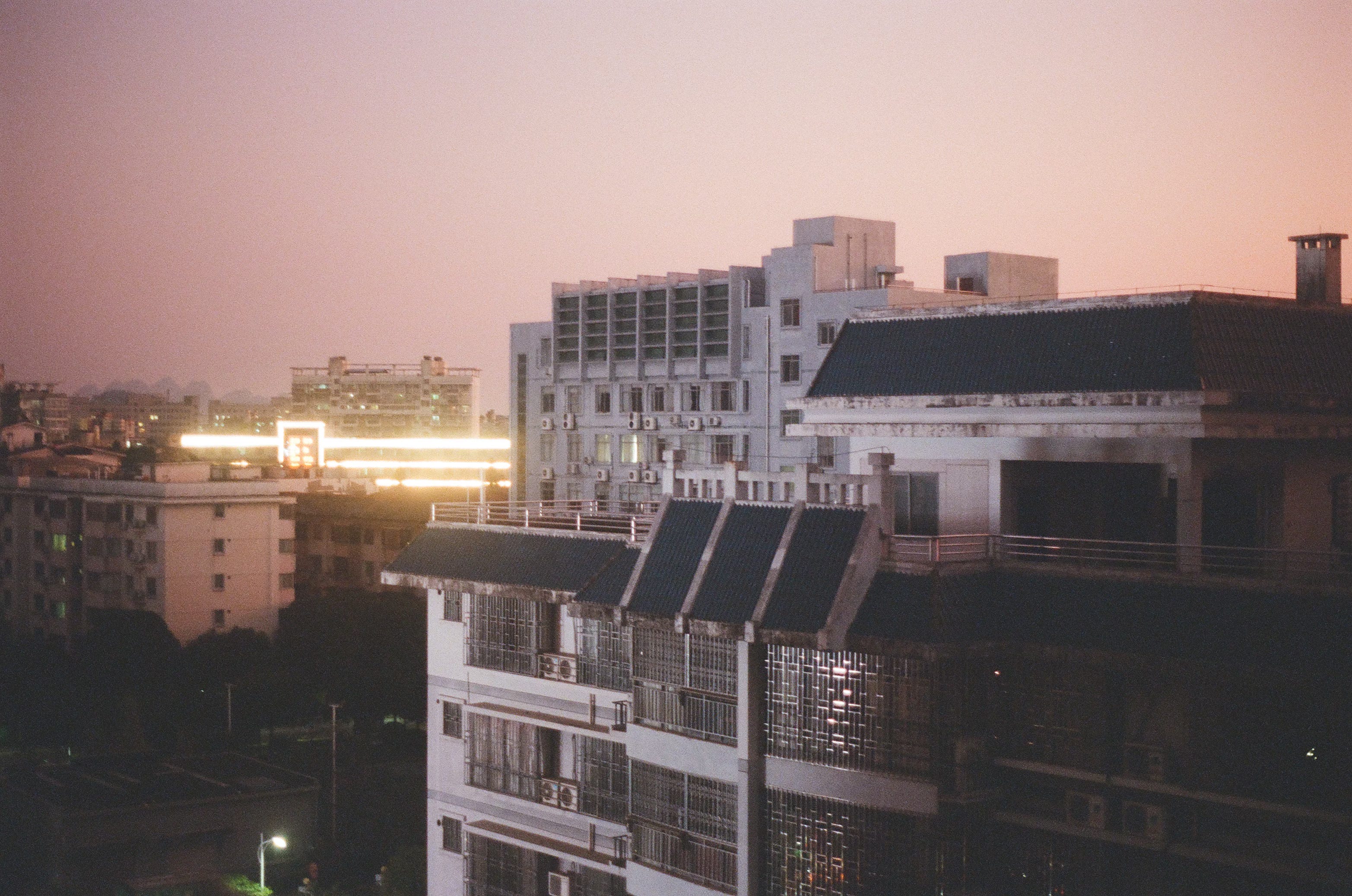
I remember waking up to the sound of the crowded courtyard in 明珠花园 (the name of the apartment complex where I lived) every morning. Children were often screaming loudly, running around free at seven a.m, waiting for their 婆婆 (grandma) to take them to school. Concurrently, many single working adults would be going off to work, operating on a different tempo and rhythm than these children. Despite these differences, all of these individuals shared the space and coexisted. I understood this apartment complex to operate as an intergenerational rhythm, full of individual lived experiences that shaped how the space was interacted with.
This apartment complex’s courtyard was sectioned off into rectangles, each with its own set of workout equipment. I would wash my clothes on my balcony and look out to see older Chinese aunties stretching, walking around their rectangular sections, and chatting with their friends. The middle-aged individuals often would leave the apartment complex to play sports elsewhere or to go for a long walk around the surrounding neighborhood. The younger kids would play outside till they fell asleep, and the sky was dark, often needing their parents to drag them in. In the summer, the children were especially loud and active at night, which diminished as the school year rolled around. I began to question what this information means for placemaking (Schneekloth & Shibley, 1995). What did this courtyard mean to the residents? Would that be reflected in the actions and behaviors of these residents? What made this courtyard attractive to these people from different backgrounds? How did their individual day-to-day lived experiences affect the attractiveness of that space?
This courtyard also functioned as an informal social network. This is where you run into your neighbor, whom you haven’t seen in a few weeks, or meet a stranger who you think is cool. The socialization outcomes were infinite in this courtyard. The physical presence, also known as proxemics, created this forced collision space for these individuals to get to know one another (Hall, 1966). I recall many times being asked questions by the loud little kids in the courtyard, or being asked, “Where did you get that food from? It smells amazing.” These micro interactions build a social network we may not value on the surface. However, understanding this built social network explains how spaces that may not have been designed for social use, become social network hubs. The original architect could have just enjoyed the idea of a courtyard and thought it was aesthetically pleasing. Sociality here was adaptive, a spontaneous byproduct of human interaction with the architectural layout.
[Photo by: Leon Frye (Me)]
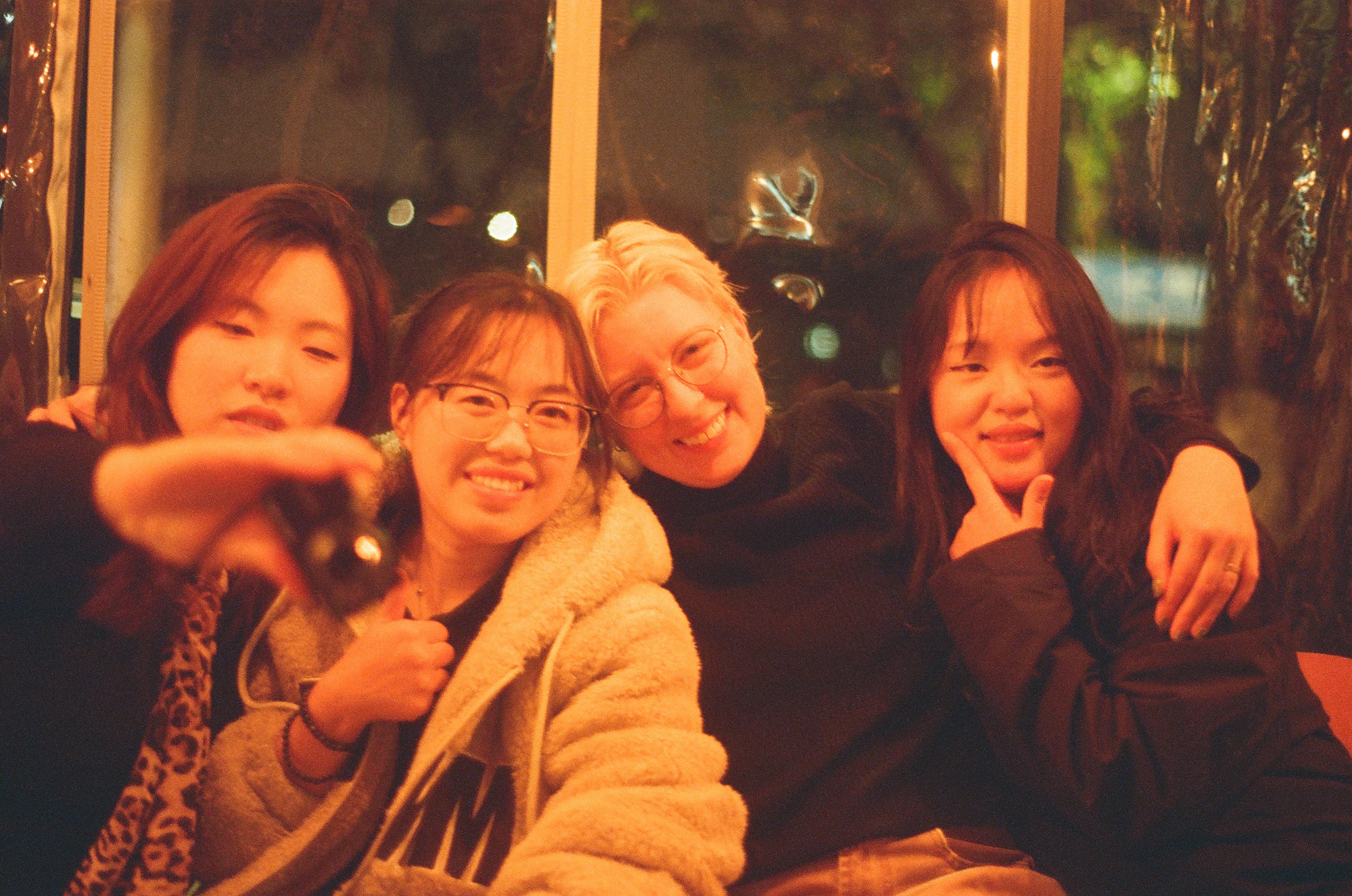
The concept of belonging was also buzzing in my brain, and I wondered, who “belongs” in this apartment complex and courtyard? As an international student staying at a homestay, I had no control over which family I would be placed with. This random insertion into their already established social network served as a gift because my “in” was being a temporary visitor. I wasn’t finding this apartment complex from word of mouth or a website, but I “fell” into the apartment complex. I observed daily who stayed in this courtyard, who left, and who lingered just for a bit. How would I be able to get in and be “initiated” into this system? I began by using the workout machines during peak hours. This is when most kids would surround the 外国人(foreigner) and ask me tons of questions of my “belonging”. Where was I from? How did I learn Chinese? What am I doing in China? All these questions started to contribute to the main idea: in order to exist in this courtyard, I needed to be something or someone. To refuse their questions was to reject a social invitation and to answer was to begin the work of becoming a neighbor. The need for identity formation that these children and I were practicing was a form of performative belonging (Butler, 1990; Bell, 1999). I needed to become understandable or relatable to these children in order for them to trust me as a valuable asset to their social courtyard network.
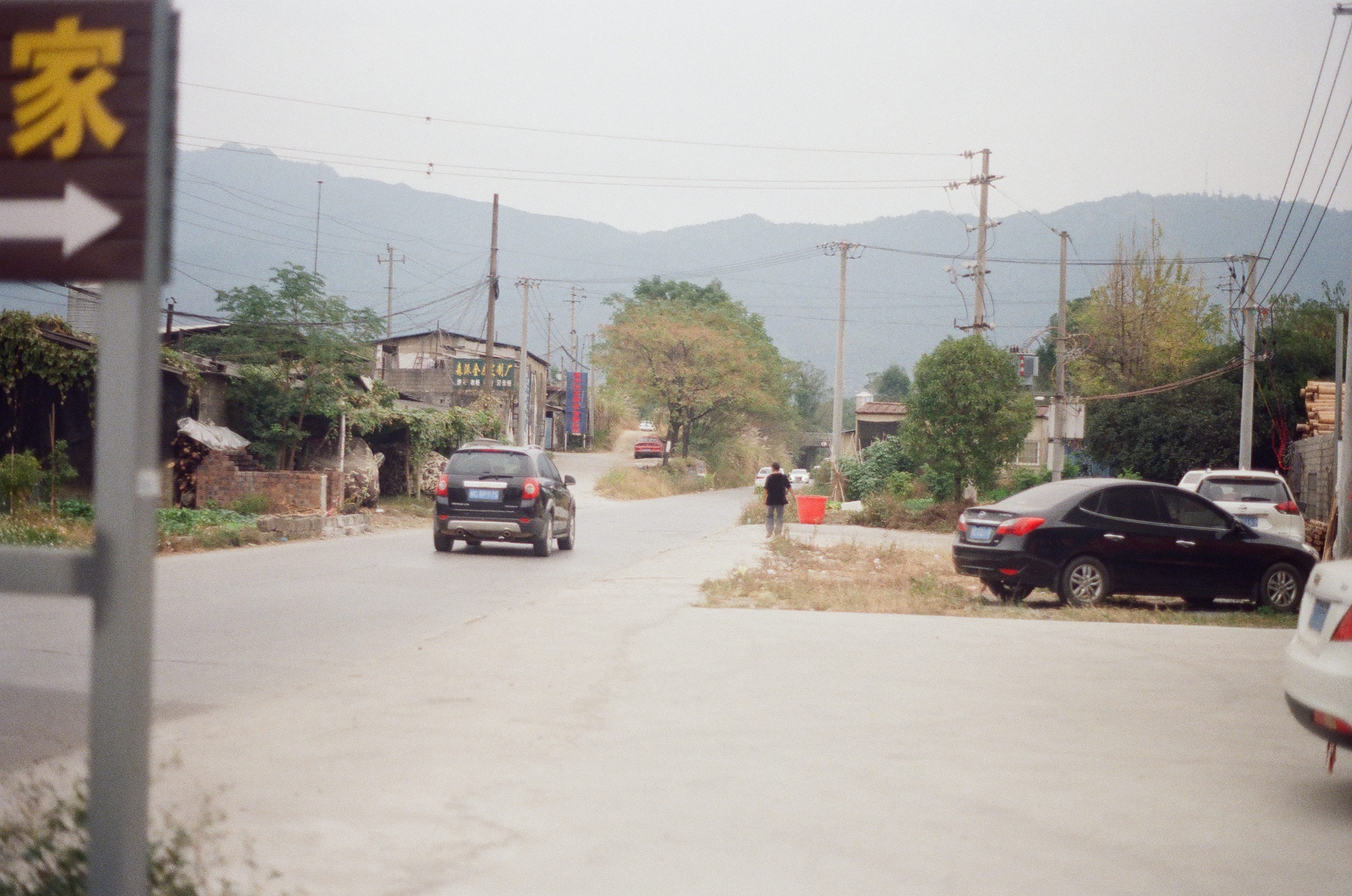
The next layer of social belonging within this courtyard was linguistic use. Observing the dynamics of language socialization, I realized that linguistic competency was the primary “gate” to these localized Chinese ecosystems (Schieffelin & Ochs, 1986). I would hear stories and warnings to not go to Beijing or Shanghai if I wanted to learn “real” Chinese. Beijing and Shanghai have high levels of international English speaking populations. For a Chinese language learner, going to an international hub was deemed “lower in return value” rather than a small, non English-speaking population space like Guilin. In these courtyards, being able to speak Mandarin was a major asset in connecting with the Chinese courtyard crowds. The next step was learning 桂林话(Guilin Dialect), which was mainly spoken by the older, born pre-Cultural Revolution adults/elders. It was seen as a sign of respect to use their chosen and more familiar dialect to connect with them. The elders would often ask me, “Do you speak Guilinhua? Do you speak any other dialects (besides Mandarin Chinese)?” However, the younger children often were not taught their villages dialect or, Guilinhua, so their competency was in Mandarin. The elders' biases often softened once a foreigner demonstrated linguistic competency. The mere effort of learning became a proxy for respect and good intent. It was a signal that it is safe to invite this individual into their courtyard dynamic.
I began to piece together all these complex concepts into a general idea of social belonging in public spaces and the social networks it built. Through language use, designated social collision spaces, and a sense of communal belonging, I became a member of this community. I remember the day I really felt intertwined with 明珠花园(the apartment complex). I was in the elevator with a young girl and her mother, whom I would talk to in the courtyard often. They addressed me by my Chinese name, 雅阁,and we exchanged basic small talk. No more “Where are you from?” questions, I finally belonged. But all the pieces had to fall into place, while keeping my place as the 外国人 (foreigner) I was.
[Photo by: Leon Frye (ME)]
Methodology Note:
Primary Methodology: Participant Observation via the “Workout Machine Initiation” strategy.
Key Variable - Linguistic Competency: Analyzing the hierarchy of Mandarin (Social Utility) vs. Guilinhua (Cultural Respect) as gates to community trust.
Key Variable - Performative Belonging: Documenting the transition from “Identity Formation” (answering questions) to “Normalization” (the elevator interaction).
Reflexivity: Recognizing the researcher’s role as a “forced entrant” via the homestay system and the subsequent labor required to convert “temporary visitor” status into “valuable social asset.”
Hall, E. T. (1966). The Hidden Dimension. Anchor Books. Jacobs, J. (1961). The Death and Life of Great American Cities. Random House. Schieffelin, B. B., & Ochs, E. (1986). Language Socialization Across Cultures. Cambridge University Press.